Keeping your schedule full isn’t about getting more leads- it’s about responding faster, booking smarter, and using modern scheduling systems that turn every inquiry into revenue.

George Herington
0
min read
December 14, 2025

For most home service businesses, the schedule tells the real story of the company’s health. A full calendar means steady cash flow, productive technicians, and predictable growth. A calendar full of gaps, cancellations, and no-shows usually means something is broken behind the scenes—even if the phones are ringing.
Plumbing, painting, electrical, and cleaning companies rarely struggle because there’s no demand. The problem is almost always how that demand is handled. Missed calls, slow responses, manual scheduling errors, and inconsistent follow-up quietly drain revenue every week. Top-performing home service companies understand that scheduling isn’t just an administrative task. It’s one of the most important business management systems they operate.
The difference between a struggling schedule and a packed one rarely comes down to luck. It comes down to systems, speed, and how well the business uses modern tools to meet customers where they are.
The Hidden Cost of an Empty Calendar
Every open time slot represents more than just lost revenue for that hour. It’s lost momentum. Technicians sitting idle still cost money. Trucks still need insurance. Marketing dollars still get spent to get leads that never turn into booked jobs. Over time, these inefficiencies add up and make growth feel far harder than it needs to be.
Many home service owners assume the issue is lead volume, so they pour more money into AI marketing, paid ads, or referral programs to get leads. But more leads don’t fix a broken scheduling process. In fact, they often make it worse. When calls, texts, form fills, and Facebook messages all come in at once, teams get overwhelmed, response times slow down, and customers move on to the next company.
Top home service businesses flip this mindset. Instead of asking, “How do we get more leads?” they ask, “How do we book more of the leads we already have?”
Why Speed Wins Jobs in Home Services
In home service, speed is everything. Customers calling a plumber or HVAC company are usually dealing with urgency. A broken AC in the summer or a leaking pipe doesn’t wait politely for office hours. The company that responds first, and clearly, often wins the job.
This is where many schedules quietly fall apart. Calls go to voicemail after hours. Text messages sit unanswered overnight. Website forms don’t get followed up on until the next morning, or sometimes days later. By then, the customer has already booked someone else.
Top companies solve this by eliminating response delays entirely. They use systems that respond instantly, confirm availability in real time, and guide customers directly into an open slot on the calendar. This is where an AI receptionist or AI assistant becomes a competitive advantage rather than a novelty.
An AI-powered receptionist doesn’t get busy, tired, or overwhelmed. It answers calls, replies to texts, and follows up with leads automatically, ensuring that scheduling momentum never stops- day or night. For home service businesses focused on growth, this kind of responsiveness is no longer optional.
Scheduling Is a Revenue System, Not a Calendar
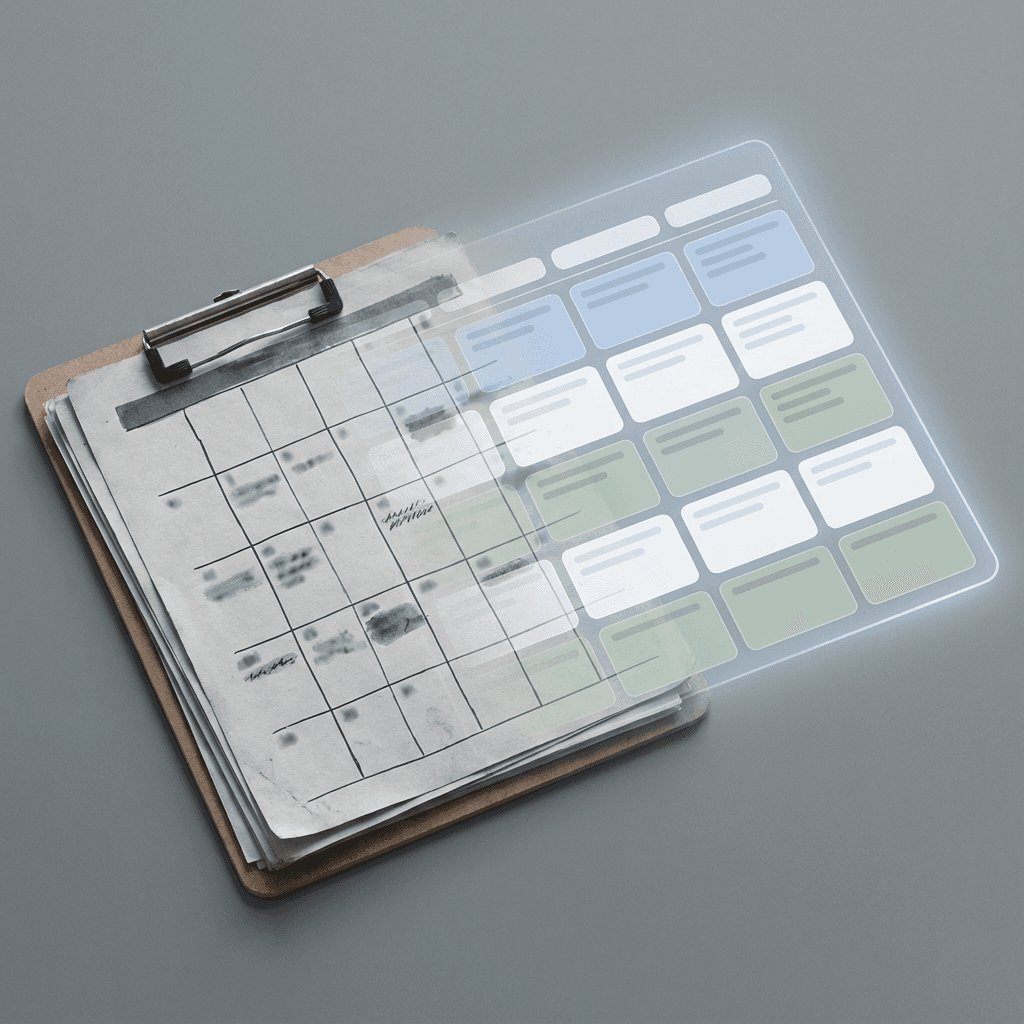
Struggling businesses often treat scheduling like a simple calendar tool. Appointments get written down, moved around, and confirmed manually. High-performing companies treat scheduling as a revenue system that connects marketing, sales, and operations into one flow.
When scheduling is done right, it does more than book jobs. It reduces cancellations through automated reminders, fills gaps with smart follow-ups, and routes jobs efficiently based on location, availability, and job type. This level of coordination requires more than spreadsheets and sticky notes.
Modern scheduling platforms integrated with AI assistants allow businesses to see availability instantly, offer customers realistic time windows, and automatically reschedule when plans change. This is especially important for growing plumbing and HVAC companies managing multiple technicians and service areas. Without a centralized system, chaos creeps in fast.
Internal linking to service-specific pages like the plumbing page or HVAC page helps reinforce how scheduling challenges show up differently across trades, but the underlying problem is the same everywhere.
The Role of Follow-Up in a Full Schedule
One of the biggest differences between average and top home service companies is follow-up discipline. Many leads don’t book on the first interaction. They ask questions, compare prices, or get distracted. Without consistent follow-up, those leads quietly disappear.
Top companies don’t rely on memory or manual reminders. They automate follow-up across calls, texts, and messages. An AI assistant can check back with leads who didn’t book, answer common questions, and prompt them to schedule when availability opens up.
This kind of automation doesn’t feel robotic when it’s done right. It feels professional and responsive. Customers appreciate clear communication, quick answers, and easy scheduling. Businesses benefit from higher booking rates without adding more admin work.
This is where AI receptionists and scheduling tools overlap with business management. When systems talk to each other, the entire operation becomes smoother and more predictable.
Reducing Cancellations and No-Shows
A full calendar means nothing if half the appointments don’t stick. Cancellations and no-shows are a major source of frustration for home service owners, especially those relying on manual confirmation processes.
Top-performing companies reduce these issues by setting expectations early and reinforcing them automatically. Confirmation texts, reminder messages, and easy rescheduling options make customers more likely to keep their appointments. When someone does cancel, the system can immediately offer that slot to another lead.
This is another area where AI-powered scheduling shines. Instead of scrambling to fill last-minute gaps, the system does the work for you. Over time, this consistency trains customers to treat appointments seriously and trust the business’s professionalism.
Why Modern Scheduling Enables Growth
Growth exposes weak systems. What works for a one-truck operation breaks quickly when you add more technicians, expand service areas, or increase marketing spend. Without modern scheduling infrastructure, growth leads to burnout instead of profit.
Top home service companies invest early in systems that scale with them. AI assistants, automated scheduling, integrated payments, and tools like tap-to-pay create a seamless customer experience from first contact to final invoice. This not only keeps calendars full but improves cash flow and customer satisfaction at the same time.
Scheduling, payments, and follow-up are no longer separate parts of the business. They’re connected pieces of a single workflow. Businesses that understand this move faster and make better decisions.
The Bigger Picture: Scheduling as a Competitive Edge
The home service industry is more competitive than ever. Customers expect fast responses, clear communication, and easy booking. Companies that still rely on manual processes struggle to keep up, even if they do great work in the field.
Scheduling secrets aren’t really secrets at all. They’re the result of treating scheduling as a strategic function, embracing AI assistants where they add value, and building systems that support growth instead of limiting it.
As more home service businesses adopt AI receptionists, automated scheduling, and smarter business management tools, the gap between leaders and laggards will continue to widen. The companies with full calendars won’t just be busier—they’ll be calmer, more profitable, and better positioned for the future.
If you want to learn more about how modern scheduling, AI assistants, and automated follow-up fit into a smarter home service operation, explore how Overbooked is helping service businesses stay booked, responsive, and in control👆. You can also learn more about our approach on the About Us page or dive deeper into related topics in our other blog posts.
A full calendar isn’t luck. It’s built, one system at a time.
Other blog articles