Home service marketing has changed, and getting more leads in 2026 takes more than just running ads. This article explores how modern strategies help home service businesses turn interest into booked jobs.

Brian Matthew Collins
0
min read
January 11, 2026
For years, marketing a home service business followed a familiar formula. You ran a few local ads, relied on word of mouth, maybe wrapped a truck or sponsored a youth sports team, and waited for the phone to ring. And for a long time, that was enough.
In 2026, it isn’t.
Homeowners now search, compare, and contact service providers in ways that didn’t exist even five years ago. They expect fast responses, easy scheduling, and professional communication from the very first interaction. Meanwhile, competition has intensified. More companies are advertising online, bidding on the same keywords, and fighting for attention in the same neighborhoods.
The result is a frustrating paradox for many painting, roofing, electrical, window cleaning businesses: demand exists, but getting consistent, high-quality leads feels harder than ever.
The good news is that the rules of marketing have changed in ways that actually favor well-run home service companies. Digital tools, AI marketing assistants, and modern business management platforms make it possible to generate more leads without working longer hours or constantly increasing ad spend.
Here’s how the most successful home service businesses are approaching marketing in 2026—and why these strategies work.
The Shift From “Advertising” to Availability
One of the biggest mistakes service businesses still make is focusing exclusively on visibility. They spend money to get seen, but not enough time ensuring they’re ready to respond.
In the digital age, marketing doesn’t end when someone clicks your ad or finds your Google listing. That’s where it begins. The businesses winning more jobs aren’t always the ones with the biggest budgets. They’re the ones that answer first, reply fastest, and make it easiest for customers to book.
Modern marketing is about availability as much as promotion. That mindset shapes every strategy that follows.
Being Where Customers Are Already Looking
Homeowners don’t browse randomly when something breaks. They search with intent. “Emergency plumber near me.” “AC repair today.” “Electrician open now.” These moments matter more than brand awareness ever could.
Search visibility remains foundational in 2026, but it’s no longer just about ranking. It’s about conversion. Your website, Google profile, and landing pages must make it immediately clear how to contact you, how quickly you respond, and how easy it is to schedule service.
This is where AI receptionists and AI assistants quietly increase marketing ROI. When a potential customer clicks to call or submit a form, automation ensures that lead is handled instantly instead of sitting unanswered. The faster the response, the higher the likelihood of booking the job.
Speed Is the New Competitive Advantage
Response time has become one of the most overlooked marketing differentiators in home service.
Many businesses spend heavily on ads only to lose leads because no one answers the phone, texts go unread, or follow-ups happen hours later. From a customer’s perspective, slow responses feel like disinterest or disorganization.
AI-powered communication changes that dynamic entirely. An AI assistant can respond to calls, texts, website chats, and even social messages immediately. It can answer common questions, qualify leads, and book appointments without delay.
This isn’t just operational efficiency—it’s marketing leverage. Every lead you respond to instantly is one your competitor may lose.
The Rise of AI Marketing Assistants
In 2025, marketing is no longer limited to attracting leads. It includes nurturing them.
Not every homeowner books on the first interaction. Some ask questions. Others compare quotes. Many drop off mid-conversation. Traditionally, these leads were forgotten or manually followed up—if time allowed.
AI marketing assistants now handle this automatically. They follow up with leads who didn’t book, send reminders, answer additional questions, and guide prospects back toward scheduling. This consistent, timely communication increases conversion rates without adding work for your team.
For small and mid-sized home service businesses, this levels the playing field. You no longer need a dedicated marketing department to stay responsive and organized.
Making Scheduling Part of Your Marketing
Scheduling is often treated as a back-office task, but in modern home service marketing, it’s part of the customer experience.
When a homeowner is ready to book, friction kills momentum. Long phone calls, back-and-forth texts, or limited availability windows can turn a hot lead cold.
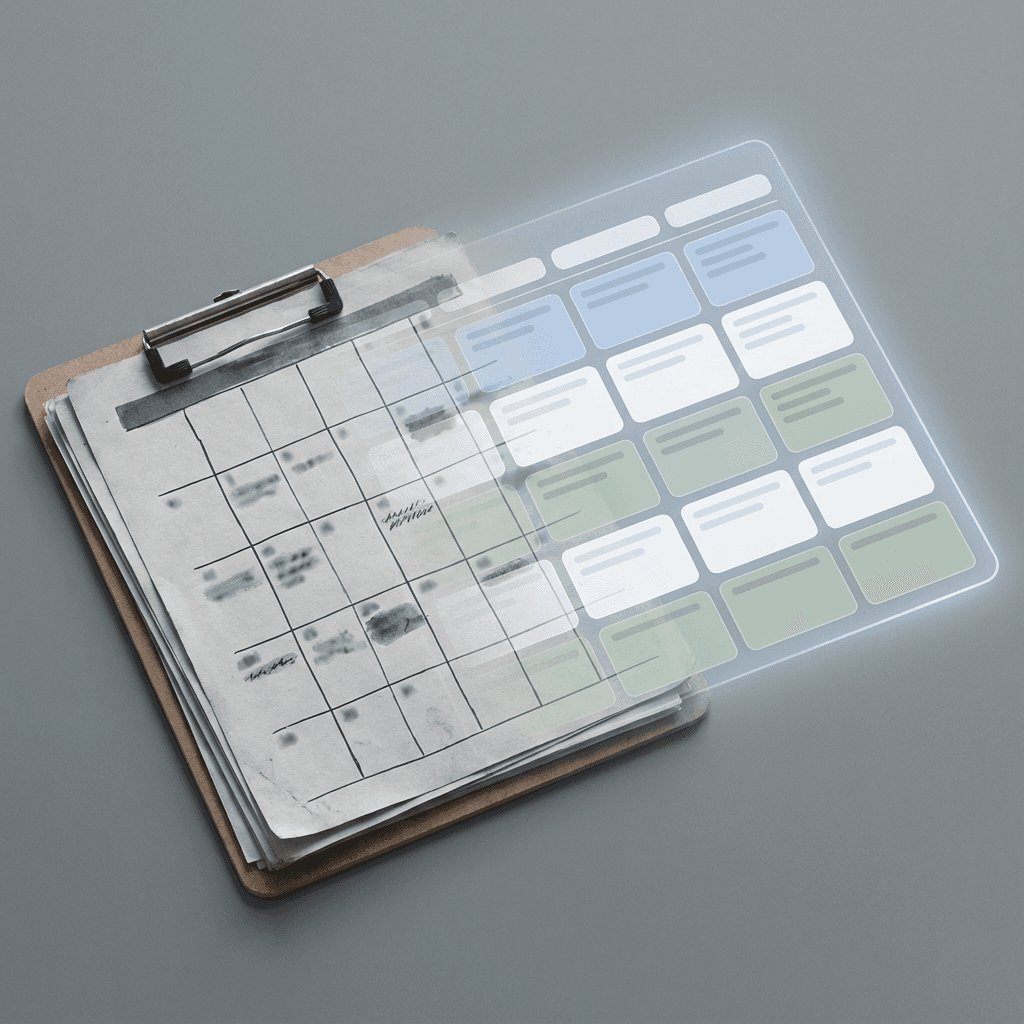
The most effective companies integrate scheduling directly into their marketing flow. Ads, websites, and follow-up messages all point toward fast, simple booking. AI-powered scheduling tools automatically match customer requests with availability, confirm appointments, and send reminders.
This doesn’t just improve operations—it increases lead-to-job conversion. Marketing that leads directly to a full calendar is marketing that pays for itself.
Social Platforms as Lead Channels, Not Branding Exercises
Social media used to be about likes and followers. In 2026, it’s increasingly about conversations.
Platforms like Facebook are now lead sources, especially for local service businesses. Customers message companies directly, ask questions, and expect quick replies. Businesses that treat social messages like emails—checking them once or twice a day—miss opportunities.
AI assistants integrated with social messaging platforms ensure that every inquiry gets an immediate response, even outside business hours. Whether someone messages your page at noon or midnight, they receive accurate information and a clear next step.
This turns social media from a passive branding channel into an active lead engine—without requiring constant manual monitoring.
Trust Still Wins, But It’s Built Faster
No amount of automation replaces trust. Homeowners still want reliable, professional service providers. The difference in 2025 is how quickly trust is formed.
Fast responses, clear communication, easy payment options, and professional follow-up all signal credibility. When combined, they create a sense of reliability before a technician ever arrives.
Modern payment options like tap-to-pay and digital invoices also play a role here. They reduce friction at the end of the job and leave customers with a polished final impression—one that leads to repeat business and referrals.
Marketing doesn’t stop at booking. It continues through service completion and payment.
Why “More Leads” Isn’t the Same as “Better Marketing”
Many home service owners believe their marketing problem is a volume problem. In reality, it’s often a systems problem.
Getting more leads without improving response time, scheduling, follow-up, and payment processes creates stress, not growth. The businesses thriving in 2025 focus on making every lead count before trying to get more.
This is where modern business management platforms tie everything together. AI receptionists, AI assistants, scheduling, AI marketing follow-up, and payments work best as a system, not as disconnected tools. When marketing and operations align, growth becomes predictable instead of chaotic.
The Businesses That Will Win in 2026
The future of home service marketing isn’t louder ads or bigger budgets. It’s smarter systems.
Companies that win in 2026 will be the ones that respond instantly, schedule seamlessly, follow up automatically, and make it easy for customers to say yes—and to pay. They’ll spend less time chasing leads and more time serving them.
For plumbing, HVAC, junk removal, and pest control businesses, this shift isn’t about becoming more “techy.” It’s about running a more dependable, professional operation in a digital-first world.
If you’re thinking about how to get more leads this year, the answer may not be another ad campaign. It may be upgrading how your business communicates, schedules, and follows up behind the scenes.
Platforms like Overbooked are built to support exactly this kind of modern growth—helping home service businesses turn marketing efforts into booked jobs, faster payments, and less operational stress.
Because in 2026, the businesses that grow aren’t just the ones that get noticed. They’re the ones that respond.
Other blog articles